
SMDC Property Specialist
Guides · Buying

Pre-Selling or Move-In Ready? What to Check Before You Reserve a Unit

What the two labels on every SMDC listing mean, and the checks and legal protections worth knowing before you pay a reservation fee.

2 yrs Of installments paid to unlock Maceda Law refund rights
60 days Minimum grace period if you've paid under two years
50% Minimum refund if the seller cancels after two years
90% Top refund rate, after five years of installments

Every SMDC project on this site carries one of two labels: Pre-Selling or Move-in Ready. They change how long you wait, how you pay and what you should check before you commit, so it's worth knowing which one you're looking at.

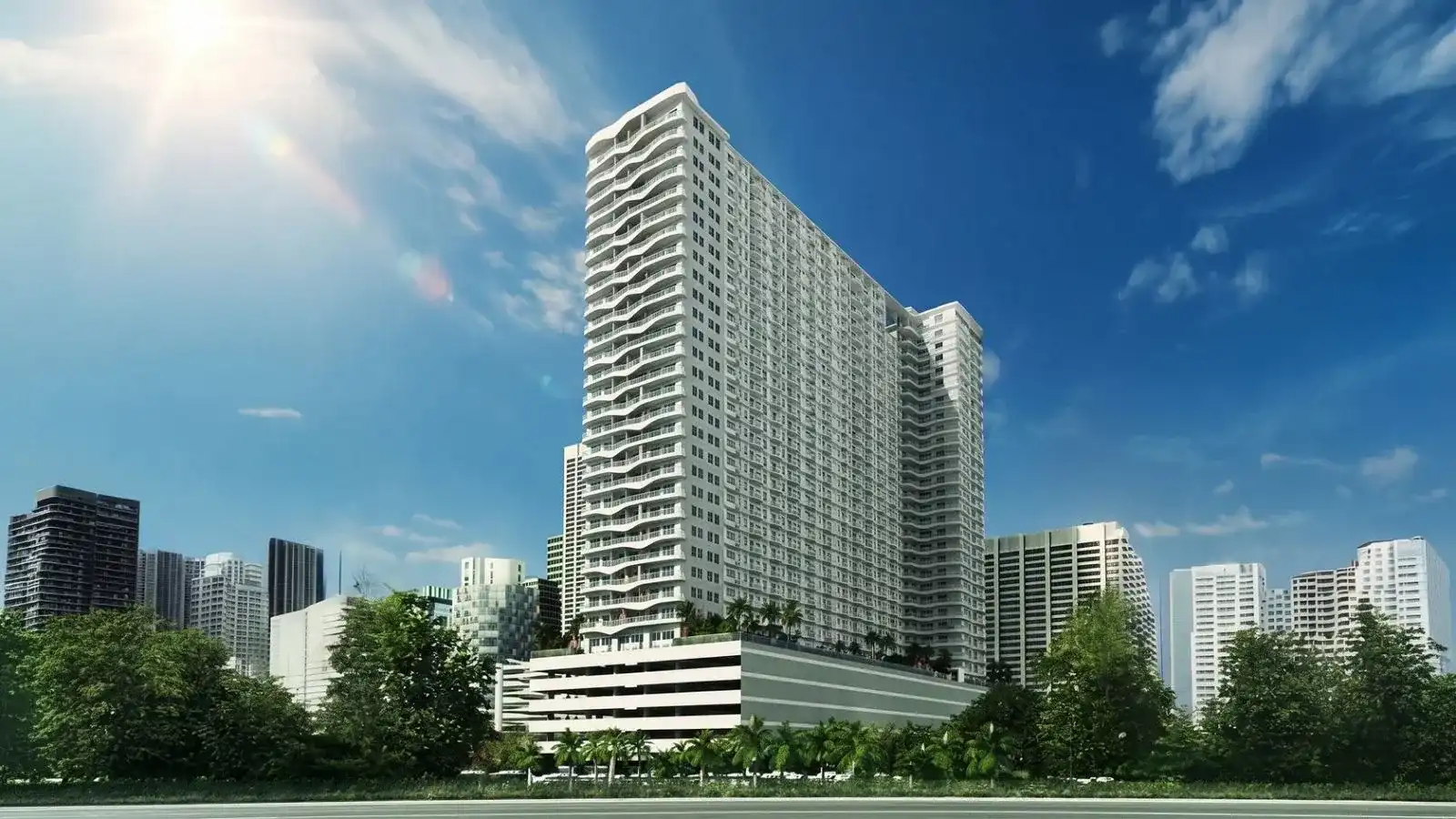
A pre-selling unit is sold before the building is finished, so you reserve now and wait for turnover. A move-in ready unit is already built. On this site's own Coast Residences page, that means units are turned over on completion of the sale, with no years of waiting for handover.

Buying before a building exists is where buyers most need to know their rights. The Philippines has two laws that matter here: Presidential Decree 957, which regulates how projects are registered and sold[1], and the Maceda Law (Republic Act 6552), which protects people who buy on installment[2]. This guide walks through both in plain language, along with the checks I'd run before paying a reservation fee.

The Two Labels

What Each One Means for You

  • Pre-Selling

    You buy before the building is complete. Expect a wait until turnover, and check the regulator's paperwork on the project before you pay anything, because there is no finished building to inspect yet.

  • Move-in Ready

    The building is built and units are turned over on completion of the sale. You can see the finished unit and the amenities first, so the focus shifts to the price, the contract and your financing.

Ask for the Project's Registration and License to Sell

Under PD 957, a project owner files a registration statement with the housing regulator, and once the project is registered a certificate of registration is issued[1]. Registration alone does not let anyone sell, though: the owner "shall not, however, be authorized to sell" any unit until it also obtains a license to sell[1]. The regulator the law names is the National Housing Authority; its functions today sit with the Department of Human Settlements and Urban Development (DHSUD)[3].

So before you reserve anything, ask the sales office for the project's Certificate of Registration and License to Sell, and confirm them with the regulator.

Compare What Was Promised With What Gets Built

The law requires the developer to provide the facilities and improvements shown in the approved plan, brochures and advertisements, within one year of the license being issued unless the regulator sets a different period[1]. It also bars the developer from changing the approved development without the regulator's permission[1]. Keep a copy of the brochure or advertisement you relied on.

If You Can't Keep Up the Payments: the Maceda Law

The Maceda Law covers installment sales of residential property, including condominium units, and counts your down payment, deposits and options as payments made. It does not cover industrial lots, commercial buildings or sales to tenants under the agrarian reform law.

Your situation Paid less than 2 years of installments Paid at least 2 years of installments
Grace period for a missed payment At least 60 days from the due date One month for every year paid, used once every five years of the contract
Refund if the seller cancels None required by the law 50% of total payments, plus 5% for each year after five years, up to 90%
When cancellation takes effect 30 days after you receive a notarized notice 30 days after you receive a notarized notice, and only once the refund is paid in full

Two more points from the law. You may sell or assign your contract rights to someone else, or reinstate the contract by catching up on your account during the grace period and before the seller actually cancels[2]. And if you stop paying because the developer failed to develop the project as approved and on time, PD 957 says your installments cannot be forfeited: you may instead get a refund of the total paid, without delinquency interest, plus interest at the legal rate[1].

Note that the Maceda Law is about the installments you pay the developer. It does not govern a Pag-IBIG or bank loan that takes over once your financing is released.

Before You Reserve

Five Checks Before You Pay

The order I'd go in, whether the unit is pre-selling or move-in ready.

  1. Ask for the Registration and License to Sell

    Request the Certificate of Registration and License to Sell for the project, and confirm them with the regulator.

  2. Keep What Was Promised in Writing

    Save the brochure, price list and any advertisement you relied on, so you can compare them with the contract and the finished project.

  3. Read the Contract Before You Sign

    Look at the payment schedule, the turnover date and what happens if you miss a payment, and compare them with the protections above.

  4. Get Every Payment Receipted

    Keep proof of each payment, including the reservation fee, since installments paid count toward your rights under the Maceda Law.

  5. Line Up Your Financing Early

    Check your Pag-IBIG eligibility before you reserve, so the loan doesn't hold up turnover. My Pag-IBIG housing loan guide covers the checks.

Not legal advice. This is a plain-language summary of the statutes as published, current as of 19 October 2026, and the regulator's rules and fees change from time to time. For a dispute, or before signing anything unusual, confirm with the regulator or a lawyer.

References

  1. Presidential Decree No. 957: Lawphil. Sections 4 and 5 (registration and license to sell), 20 (time of completion), 22 (alterations) and 23 (non-forfeiture of payments). Accessed 19 October 2026.
  2. Republic Act No. 6552 (the Maceda Law): Lawphil. Coverage, grace periods, cash surrender value and cancellation. Accessed 19 October 2026.
  3. Buyers: Department of Human Settlements and Urban Development, official website. Buyer guidance on the Certificate of Registration and License to Sell.

Choosing Between Pre-Selling and Move-In Ready?

Tell me your budget and timeline and I'll show you SMDC units of both kinds that fit.